


By Dr Uvaish Parmar
Junior Consultant, GI & HPB Surgery
March 26, 2026
Your gallbladder may be small, but it plays a crucial role in your digestive system. This pear-shaped organ, located just beneath your liver, stores bile that helps break down fats in your diet. When something goes wrong with your gallbladder, your body sends clear warning signals that should not be ignored. Understanding these symptoms can help you seek timely medical attention and prevent serious complications.
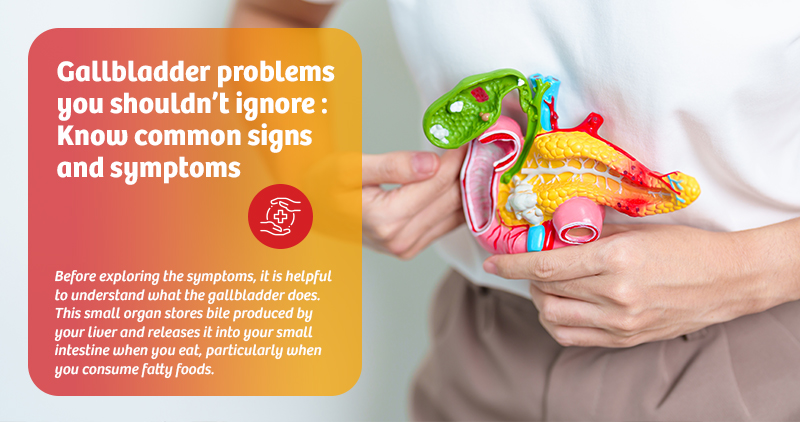
Before exploring the symptoms, it is helpful to understand what the gallbladder does. This small organ stores bile produced by your liver and releases it into your small intestine when you eat, particularly when you consume fatty foods. When the gallbladder becomes inflamed, develops stones, or experiences other problems, it can significantly affect your quality of life and overall health.
Many people with gallbladder problems experience ongoing digestive issues that they may initially dismiss as simple indigestion. Excessive gas, bloating, heartburn and acid reflux can all stem from gallbladder dysfunction. These symptoms often worsen after eating fatty, fried or spicy foods.
Your gallbladder’s role in fat digestion means that when it is not working properly, your body struggles to process dietary fats. This can cause uncomfortable digestive symptoms that may become chronic if not addressed. If over-the-counter antacids and dietary changes do not relieve your indigestion, it may be worth considering the possibility of gallbladder issues.
The most common and recognisable symptom of gallbladder problems is intense abdominal pain, often called biliary colic. This pain typically occurs in the upper right part of your abdomen, just below your ribs. The discomfort can range from a dull ache to sharp, cramping sensations that take your breath away.
What makes gallbladder pain distinctive is its timing and location. The pain often begins suddenly after eating a heavy or fatty meal and can last anywhere from 30 minutes to several hours. Some people describe it as a squeezing sensation that radiates to the back, between the shoulder blades, or to the right shoulder. If you experience this type of pain regularly, especially after eating, it is time to consult a doctor.
Digestive upset frequently accompanies gallbladder issues. Many people with gallbladder problems experience persistent nausea, especially after eating fatty or greasy foods. This nausea can progress to vomiting, which may provide temporary relief but does not address the underlying problem.
The connection between your gallbladder and digestive discomfort is direct. When your gallbladder is not functioning properly, your body struggles to digest fats efficiently, leading to these uncomfortable symptoms. If you regularly feel queasy after meals or avoid certain foods because they make you feel unwell, your gallbladder could be the cause.
Your stool can provide important clues about gallbladder health. Clay-coloured, pale, or light-coloured stools may indicate that bile is not reaching your intestines properly. This happens when gallstones or other obstructions block the bile ducts, preventing bile from flowing into your digestive system.
Bile gives stool its characteristic brown colour, so when bile flow is restricted, your stool becomes lighter. This symptom is particularly concerning when combined with other gallbladder-related symptoms and warrants immediate medical attention. Pay attention to significant changes in stool appearance, as this could indicate a serious blockage.
Alongside pale stools, dark-coloured urine can signal gallbladder problems. When bile cannot flow properly into your intestines, bilirubin, a component of bile, can build up in your bloodstream and be excreted through your kidneys, resulting in dark brown or tea-coloured urine.
This symptom often appears together with jaundice and pale stools, forming a trio of warning signs that something may be seriously wrong with your bile ducts or gallbladder. If you notice that your urine has become significantly darker without an obvious cause such as dehydration, seek medical evaluation promptly.
Jaundice occurs when bilirubin accumulates in your body, causing yellowing of the skin and the whites of the eyes. While jaundice can result from various liver and blood disorders, it is also a red flag for gallbladder problems, particularly when gallstones block the bile duct.
This symptom indicates that bile is not draining properly from your liver and gallbladder. Jaundice combined with abdominal pain and fever could signal a serious infection or inflammation requiring immediate medical intervention. Jaundice should never be ignored, as it can indicate a potentially life-threatening condition.
When fever occurs alongside other gallbladder-related symptoms, it may indicate inflammation or infection. Cholecystitis, or inflammation of the gallbladder, can cause fever, chills and a general feeling of being unwell. This is a medical emergency that requires immediate attention.
A fever combined with severe abdominal pain, particularly in the upper right quadrant, could indicate acute cholecystitis or even a gallbladder infection that may spread. Do not wait to see if these symptoms improve on their own. Prompt medical treatment is essential to prevent serious complications such as gallbladder rupture or sepsis.
Gallbladder problems can make eating an unpleasant experience. Many people with gallbladder disease develop an aversion to food, particularly fatty foods, because eating triggers pain and nausea. This can lead to unintentional weight loss and nutritional deficiencies over time.
If you are avoiding meals because of anticipated discomfort, or if you have lost weight unintentionally due to reduced appetite and digestive problems, your gallbladder may be the cause. While some people may view weight loss positively, unintentional weight loss should always be investigated by a healthcare provider.
Understanding your risk factors can help you remain alert to symptoms. Women are more likely than men to develop gallbladder problems, particularly those who are pregnant or taking hormonal medications. Other risk factors include being over 40, having a family history of gallbladder disease, obesity, rapid weight loss, diabetes and certain ethnic backgrounds.
The treatment for gallbladder disease depends on the severity of the condition and its underlying cause. In many cases, especially when gallstones are causing repeated symptoms or complications, surgical removal of the gallbladder, known as cholecystectomy, is the most effective and permanent solution.
Laparoscopic cholecystectomy is the most commonly performed procedure for gallbladder removal. It is a minimally invasive surgery carried out through small incisions using a camera and specialised instruments.
Benefits include:
Most patients can go home within 24 hours and resume regular activities within a few days.
Robotic cholecystectomy is an advanced minimally invasive technique performed using robotic-assisted surgical technology. The surgeon controls robotic instruments that provide enhanced precision, flexibility and better visualisation during surgery.
Advantages include:
Both laparoscopic and robotic techniques are safe, effective and widely accepted treatments for gallbladder diseases such as gallstones, chronic inflammation and recurrent gallbladder attacks.
While some gallbladder symptoms may seem manageable at first, certain warning signs require immediate medical care. Seek emergency treatment if you experience severe abdominal pain lasting more than a few hours, a high fever with chills, jaundice, or signs of shock such as a rapid heartbeat and confusion.
Even less severe symptoms deserve medical evaluation if they are persistent or recurring. Your doctor may perform tests such as an ultrasound scan, CT scan, or blood tests to assess your gallbladder function and determine the best course of treatment. Best Gastrointestinal Surgeons in Ahmedabad.
Your gallbladder may be small, but problems affecting this organ can significantly affect your daily life and overall health. From characteristic upper right abdominal pain to changes in stool colour and persistent digestive issues, your body provides numerous warning signs when your gallbladder is not functioning properly.
Do not ignore these symptoms or dismiss them as simple indigestion or stress. Early detection and treatment of gallbladder problems can prevent serious complications and improve your quality of life. If you are experiencing any of the symptoms described above, especially in combination, schedule an appointment with your healthcare provider. When it comes to your health, it is always better to be proactive than to wait until a manageable problem becomes a medical emergency.
Taking care of your gallbladder means listening to your body, maintaining a healthy diet, staying at a healthy weight, and seeking medical advice when something does not feel right. Your health deserves attention, and recognising these warning signs is the first step towards getting the care you need.
